
Gentle density housing is not a perfect, complete solution, but it is a powerful place to start. If family structures have changed, zoning must change too. Canada does not need to erase single-family homes, but it should stop treating them as the mandatory default model that everyone is forced to follow.
Read MoreDrawing from a previous research project that used design anthropology and a human-centered approach to examine how low-income seniors can age in community (Bae, 2025), this paper identifies a critical, earlier intervention point prior to seniorhood. Low-income women aged 45 to 64 represent a vital demographic for preventative policy; housing and income instability during this life stage frequently accelerates into long-term poverty, chronic poor health, and a heavier reliance on public systems later in life. (McDonald & Robb, 2004) Rather than waiting until these individuals reach seniority or enter an acute crisis, housing policy can intervene proactively. Implementing targeted support at this stage stabilizes housing before a downward socioeconomic spiral becomes harder—and far more expensive—to reverse.
Read More









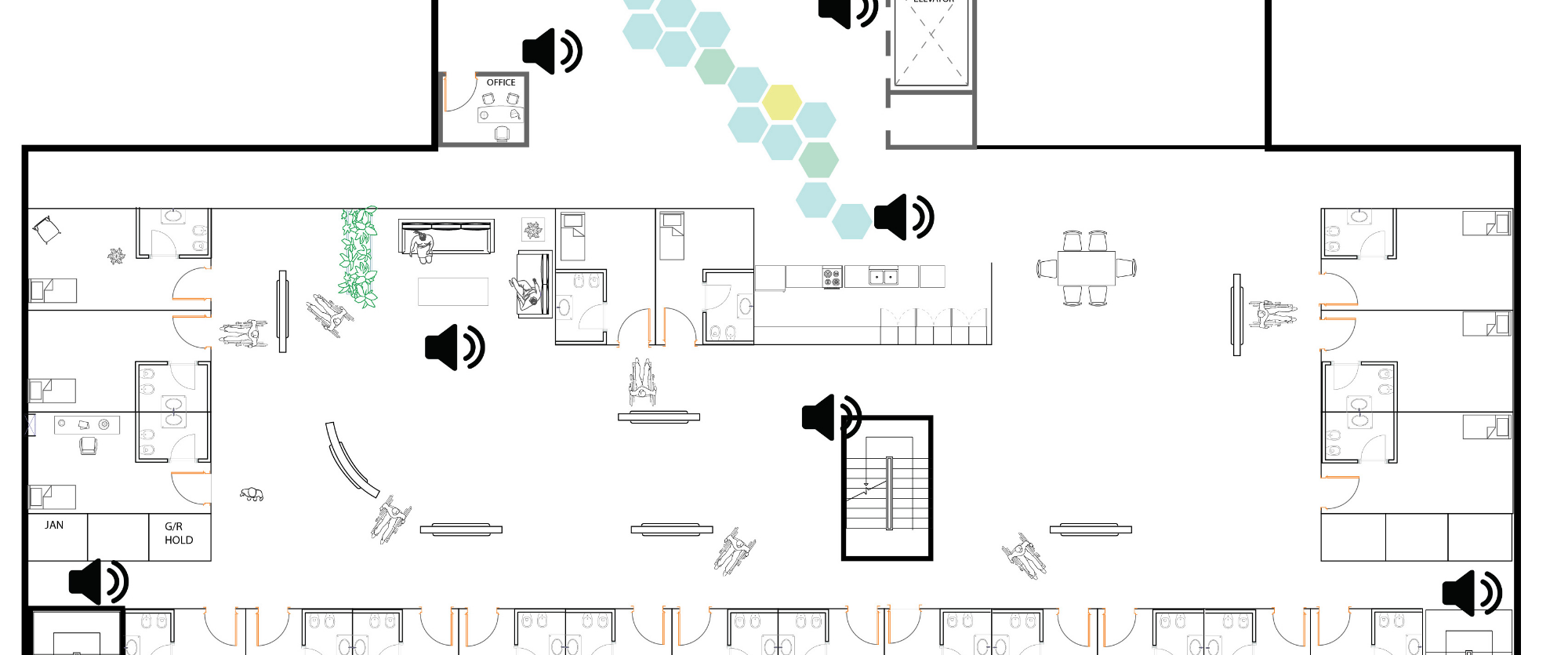

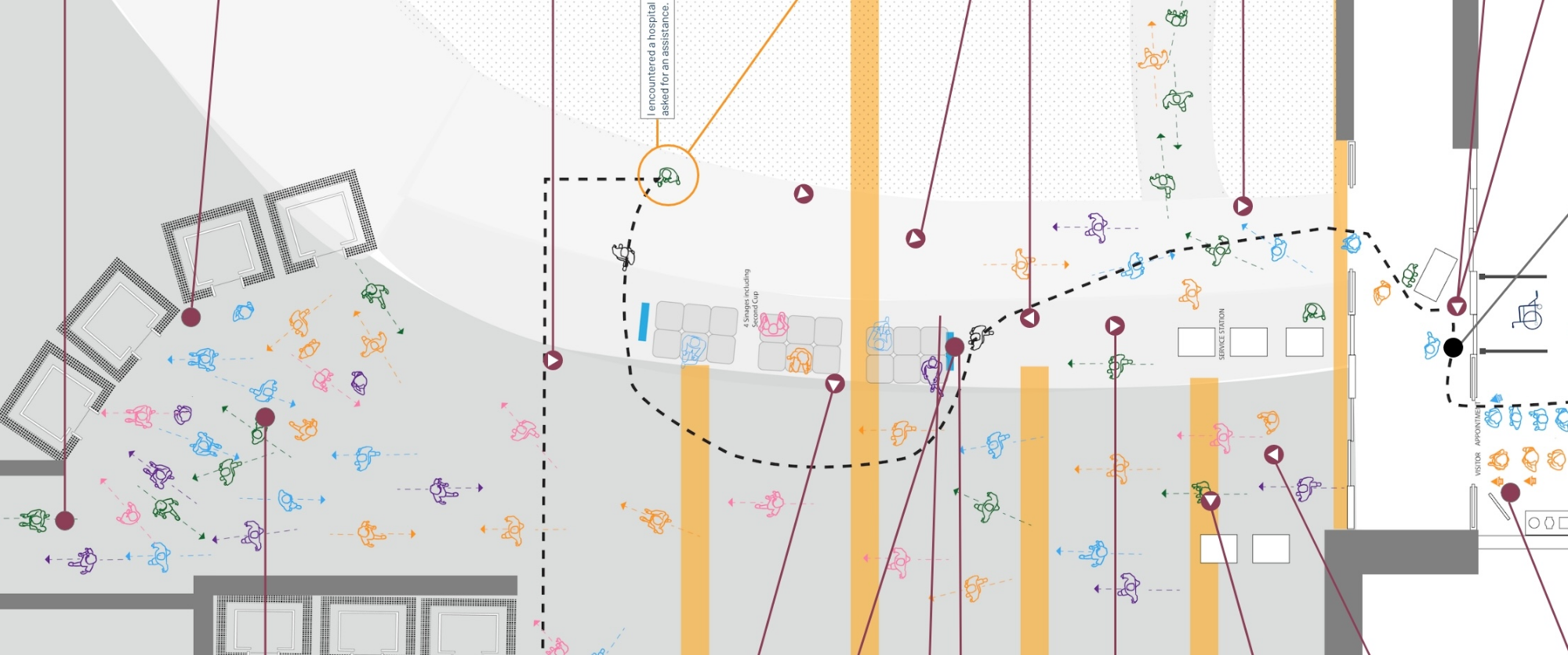
“Am I in the right place? I have a procedure today” …” you have no idea how hard it is to find your desk!” are the most common statements made at the registration desk of the Cardiology Department at Sunnybrook Hospital. Although patients have finally reached their destination, it is not a reassuring introduction to their experience.
Read More
The definition of what “older” means remains fluid and not unanimous amongst clinicians and researchers. Some studies refer to people aged above 60 years old, others to 65 years old and older while some draw the line at 70 years old. Although there is no strict guidelines to define the term “older”, it is generally accepted that an “older adult” reflects an age around 70 years old and is characterized by a slow, progressive impairment in function (Tessier & Meneilly, 2001).
Read More